
Which Emancipation Proclamation stamp is this?
| Identification point | 1963 centennial stamp | 2013 sesquicentennial stamp |
|---|---|---|
| Issue date and city | August 16, 1963; Chicago, Illinois | January 1, 2013; Washington, DC |
| Denomination and validity type | 5¢ fixed denomination; not Forever | Forever, sold at 45¢ on issue; current applicable one-ounce letter value when genuine and unused |
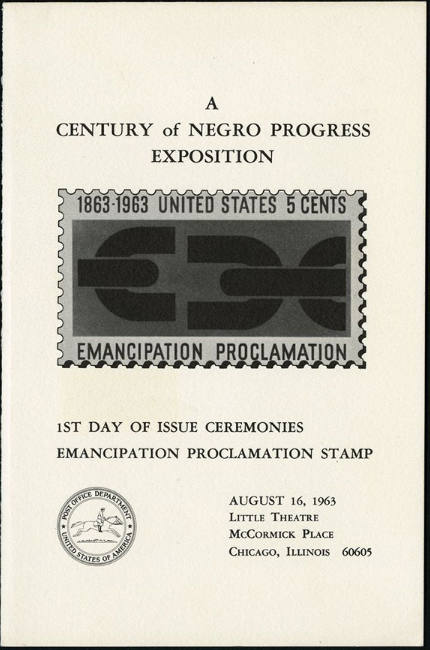
| Design identification | Georg Olden’s bold allegorical centennial design, associated with a severed chain; inspect the National Postal Museum object | Black-and-red typography on a Civil War broadside-inspired background, prominently “HENCEFORWARD SHALL BE FREE”; see the Smithsonian press sheet |
| Design credit and issue format | Georg Olden, the first African American to design a U.S. postage stamp; consult the museum record for the physical single | Gail Anderson with art director Antonio Alcalá; one design, pressure-sensitive pane of 20, USPS item 470300 |
The 2013 issue was the first of three USPS Civil Rights stamps released that year. A 5¢ 1963 single and a 2013 Forever stamp commemorate different anniversaries; their dates, artwork and postage value cannot be interchanged.
On January 1, 2013, USPS introduced the Emancipation Proclamation Forever stamp at the National Archives in Washington, DC, commemorating the 150th anniversary of the final proclamation’s effective date. The USPS release identifies the venue and date. The issue paired the original proclamation’s anniversary with a modern broadside-style design, rather than reproducing the 1963 centennial artwork.
Why the wording matters
The 2013 stamp’s visible wording is “HENCEFORWARD SHALL BE FREE”, as recorded by the Smithsonian press-sheet description. It was one Forever design in panes of 20 and part of the 2013 Civil Rights group. “Henceforth” is a common paraphrase but is not the inscription to use for identifying this stamp.
USPS’s dated release records Deputy Postmaster General Ronald A. Stroman speaking at the dedication and identifies Dr. Bernice Johnson Reagon as performing a dramatic reading. The original proclamation was on limited display at the National Archives. Together, the reading, display and stamp dedication tied the first-day ceremony to the historical document and its public interpretation.
The separate 5¢ centennial stamp was issued August 16, 1963, with a first-day ceremony in Chicago. Its designer, Georg Olden, was the first African American to design a U.S. postage stamp, according to the National Postal Museum. The 2013 design, by Gail Anderson with art director Antonio Alcalá, uses typography and a broadside-inspired background rather than reissuing Olden’s allegorical artwork. Compare the dated denominations before identifying a loose stamp.
For collectors, the USPS Postal Bulletin lists the original pane of 20 and separately cataloged first-day covers, digital color postmarks, press sheets and ceremony programs. Those are distinct products and conditions; a signed pane or first-day cover needs its own provenance. Neither the historical subject nor the anniversary establishes a resale price. For identification, compare the exact Smithsonian press-sheet image, including the prominent “HENCEFORWARD SHALL BE FREE” lettering.
Lincoln issued the preliminary Emancipation Proclamation on September 22, 1862, and the final proclamation took effect January 1, 1863. Its scope and immediate effect were limited, but it changed the legal and military course of emancipation. The 2013 stamp has enduring historical subject matter; any claim of high monetary collector value requires a dated comparable sale, exact format and condition.
Sources and update note
Use the linked primary record for the exact issue, rule or current condition. Prices, availability and platform features can change and should be checked at the time of use.