
In Native American culture, the powwow is more than just a festival; it’s a spiritual continuation and a transmission of identity. It represents community unity, respect for ancestral traditions, and a steadfast commitment to the preservation of cultural vitality. Through song, drums, and dance, this event connects history with the present, allowing generations to rediscover a sense of belonging and pride in a shared rhythm. Today, this profound cultural expression is encapsulated in the Powwow stamp issued by the United States Postal Service (USPS). This national recognition and visual record demonstrates the vitality, respect, and promotion of Native American culture in contemporary American society.
Powwow stamp issue facts
USPS issued the Powwows: Celebrating Native American Culture Forever stamps in 2025. Lead with the direct release date, official designs, pane format and ordinary Forever service from the USPS issue record, then explain cultural context from identified sources. A retail multipack and a USPS original pane are different quantities, and cultural importance does not establish resale value.
What is a powwow? What stories do these stamps tell?
Let’s first learn about Powwow. This iconic Native American cultural event, filled with song, dance, feasting, and social interaction, is more than just a gathering; it’s a spiritual connection and an expression of identity.
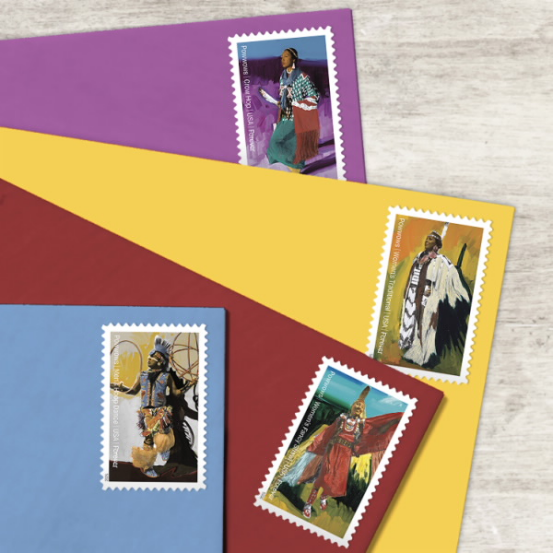
The USPS Powwow stamps capture the energy, rhythm, tradition, and aesthetic at the heart of this cultural celebration. For example, the series to be issued in 2025 features original artwork by Cochiti Pueblo artist Mateo Romero. His creative process is fascinating: he photographs dancers in traditional attire performing specific steps (such as the “crow jump” or the “fancy shawl dance”), then paints them with bold, powerful brushstrokes, creating images that are both authentic and artistically expressive.
These designs aren’t just random sketches; they faithfully recreate details like crowns, dance costumes, and gestures, embodying a respect for Indigenous traditions. Each USPS stamp is like a miniature cultural documentary, condensing the tribal story into a single, compact piece.
USPS Powwow Stamps: More Than Just Stamps
We often say that “literature carries messages,” and the same is true for stamps. USPS Powwow stamps aren’t just for mailing; they’re a tool for cultural heritage.
These USPS stamps convey a crucial message to the public: Native American culture isn’t a static image of the past; it’s a living, breathing way of life. Powwows are contemporary cultural expressions and crucial venues for young tribal people to rediscover their identities and build their identities. Sharing these images through stamps can inspire people to learn about—and even actively participate in—Indigenous culture.
Imagine a child seeing a dancer draped in a colorful shawl on an envelope for the first time. Would it inspire a new understanding of the term “Indigenous people”? For another example, within the stamp collector community, these USPS Powwow stamps could spark conversations, guiding people from stamp collecting to a deeper understanding of culture.
Rewriting stereotypes and bringing traditions to life
For too long, Native Americans have been either absent or distorted in media. The USPS Powwow stamp offers a more authentic and respectful representation.
This is not only an opportunity for non-indigenous people to gain new understanding but also an affirmation for the indigenous community, especially young people: “Your culture deserves to be seen by the whole country.” Those dancers are no longer just illustrations in history textbooks but real, shining contemporary people.
Artist Romero has also spoken about how he feels it is an honor—and a responsibility—to bring the energy of powwows to the nation through USPS stamps. We need such artistic voices to combat historical misunderstandings and silences.
How do USPS stamps build cultural bridges?
Powwows themselves are platforms for cultural exchange, welcoming both Indigenous and non-Indigenous participants. The USPS Powwow stamps are doing something similar: bringing Indigenous cultural images into everyday homes through letters, packages, and greeting cards.
You might just put a stamp on a letter and send it, but when someone sees that USPS stamp, they might wonder, “Who is this? What kind of dance are they doing? What’s the story behind it?” – This is where cultural dialogue begins.
Even more meaningful, the USPS often holds launch ceremonies at actual powwow events, where postal officials, philatelists, tribal elders, and ordinary citizens can all witness the moment culture is enshrined in the national distribution system. This sense of participation is irreplaceable by any PDF file or webpage introduction.
Why are these USPS stamps worth collecting?
Culturally, they have become a vital visual archive. In a sense, each USPS Powwow stamp is an official record of a particular traditional moment. Even decades later, when you open the stamp album, you can still see the dance, the colors, and the atmosphere of that moment.
In the collector’s market, themed stamps with profound cultural backgrounds are increasingly popular. While they may not fetch the same exorbitant prices as some misprinted old stamps, they possess a unique value—a meaning that transcends time and solidifies memories. Furthermore, this type of “themed collecting” has been a major trend in the stamp market in recent years.
More importantly, they provide a national platform for Indigenous artists. Many stamp creations involve the participation of tribal artists, providing opportunities and allowing USPS stamps to be more original and authentic artistically.
Leaving cultural fire to the next generation
The USPS Powwow stamps also have a deeper meaning: they encourage Indigenous communities to continue to pass on their traditions. When children see their culture featured on a national stamp, they are more likely to understand the value of these customs and are more willing to participate, learn, and pass on these traditions.
For young people from other ethnic groups, these USPS stamps can be their first exposure to Indigenous culture. The act of applying a stamp can begin a journey of cross-cultural understanding.
Conclusion: A small stamp carries great significance
USPS Powwow stamps are more than just a supporting role in a letter. They are a microcosm of culture, a medium of inheritance, and a modern echo of history. They connect Indigenous and non-Indigenous peoples, past and present, and place and nation.
In the future, perhaps we can expect to see more USPS stamps featuring more cultural themes—like African American Juneteenth, Asian immigrant festivals, and Hispanic artistic traditions. Every culture deserves to be seen, understood, and respected.
Sources and update note
Use the linked primary record for the exact issue, rule or current condition. Prices, availability and platform features can change and should be checked at the time of use.